
NEWS
WACOL Tasks Abia Customary Court Judges, Magistrates On Justice For GBV Survivors

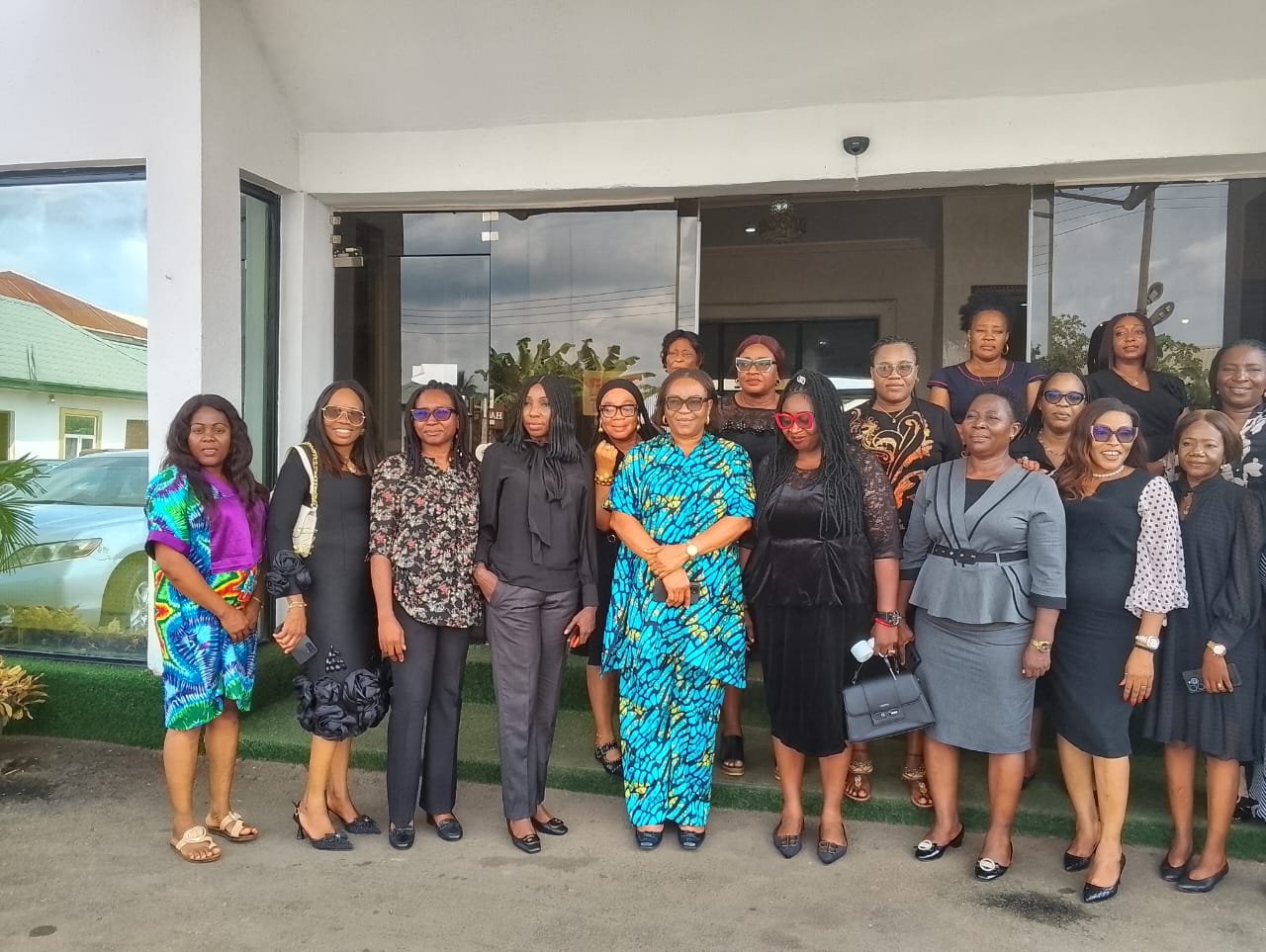
The Women’s Aid Collective, WACOL, has called on judicial officers to ensure effective implementation of laws protecting the rights of Gender-Based Violence, GBV, survivors in the state.
The call was made at the end of a two-day training workshop organised by the Women’s Aid Collective, WACOL, for Customary Court Judges and Magistrates in Umuahia, with support from the Rule of Law and Anti-Corruption Programme, RoLAC, and funding by the European Union, EU.
In her presentation on “Judicial Gender Stereotyping And Women’s Access To Justice,” a Law Lecturer at the University of Nigeria, Enugu Campus, Dr. Peace Uju Okeke, said stereotypes against women in the society have no scientific proof and lamented that such stereotypes even occur inside courts.
Dr. Okeke urged Judges and Magistrates not to allow stereotypes in their courts and advised them to ensure that no lawyer or court official uses abusive words against GBV survivors. She stressed the need for judicial officers to train court staff to avoid demeaning language.
“It is wrong to start abusing a woman who is in a witness box, asking a victim if she struggled during rape,” she said.
She maintained that forcing a woman to have sex without her consent amounts to rape, stressing that any sexual act against a woman’s wish is rape. She also condemned the rape of sex workers, stating, “Because someone is a sex worker does not mean she should be raped. If she says no, her decision should be respected.”
According to her, the claim that a woman has no rights over land matters is stereotypical, adding that it is wrong for Magistrates or Judges to allow prosecutors to intimidate rape survivors.
In another presentation titled “The Role Of Courts/Judiciary In The Effective Enforcement Of Protective Orders,” Dr. Okeke explained that protection orders enhance the safety of GBV survivors by limiting the actions of abusers.
“Own your courts, be in charge. Judges and Magistrates should order supervision of protection orders. If a court in a particular area fails to punish offenders or order compensation, the bad report will be on Nigeria,” she said.
She called for supervised protection and visitations, urging judicial officers to keep track records of orders issued and ensure follow-up on court orders protecting GBV survivors.
Also, another consultant, Dr. Chigozirim Ojiaka, who spoke on “Promoting Women’s Rights Through The Practice Of Magistrates And Customary Court Judges,” quoted the National Judicial Council, NJC, Code of Conduct for Judicial Officers, saying justice must be upheld for all.
She emphasized that Judges and Magistrates should not be unethical and should avoid political interference in their judgments.
“Be diligent in examining evidence, so that you are not misled by evidence that may be presented by a lawyer. Be firm in your decisions and always look out for unnecessary gimmicks that delay cases and always be diligent in gender matters. Victims’ safety is important,” she said.
Dr. Ojiaka said survivors whose matters are in court should be informed and updated on changes in dates, adding that their privacy rights should be respected.
“A case that is sensitive can be restricted to the court or in camera. You can give orders restraining the circulation of somebody’s nude pictures,” she said.
She called for punishment of offenders to encourage other survivors of rape and other GBV cases to have confidence in the judiciary, while noting that any alleged perpetrator found innocent should be acquitted.
The participants made affirmative declarations about their expectations from the training and submitted group works based on the lectures received.
In her closing remarks, WACOL facilitator, Dr. Helen Kalu, thanked the Customary Court Judges and Magistrates for participating and urged them to put into practice the knowledge gained to protect women and girls from harmful societal practices and stereotypes.
In their responses, the participants appreciated WACOL for organising the training, saying it equipped them to discharge their duties better, and appealed for sustenance of the collaboration through future trainings.