
COMMENTARY
Chima Anyaso: Leadership Built on Vision, Capacity, and Proven Impact — Not False Dichotomies

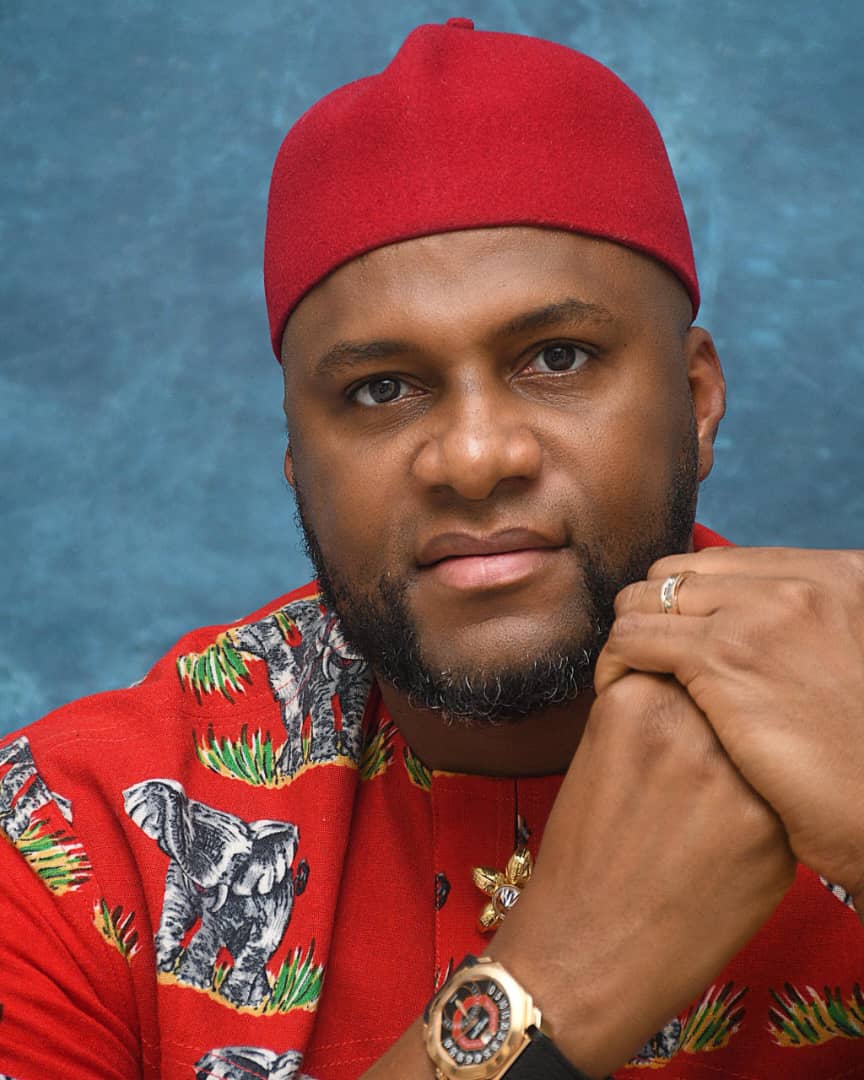
By Emenike Okorie
The article by Emeka Loveday, titled *“Leadership Must Be Built on the Voice, Not Public Relations”* raises important questions about political leadership in Bende Federal Constituency. Indeed, democracy thrives when citizens interrogate leadership credentials. However, the argument presented rests largely on a false separation between public goodwill, private initiative, and legislative competence.
Leadership in modern democracies is not defined by theory alone; it is validated by capacity to solve problems, mobilize resources, and deliver measurable impact — qualities already evident in Dr. Chimaobi Desmond Anyaso.
1. Philanthropy Is Not a Weakness — It Is Evidence of Leadership Capacity
The claim that philanthropy does not translate into governance misunderstands the evolution of leadership globally.
Across the world, individuals who successfully manage institutions, empower communities, and invest personal resources in social development often transition effectively into public service. Philanthropy demonstrates:
administrative competence,
empathy-driven leadership,
resource mobilization ability,
and commitment to people before holding office.
Unlike many career politicians who begin serving only after election, Dr. Anyaso has already demonstrated service without access to public funds. That is not public relations; it is voluntary leadership responsibility.
Governance begins with the willingness to serve — not merely the possession of political titles.
2. Legislative Effectiveness Requires Influence, Networks, and Economic Understanding
The National Assembly is rightly described as a serious institution. Yet seriousness in legislation does not come solely from years spent in partisan politics.
Effective legislators today succeed because they possess:
negotiation skills,
national and international networks,
economic literacy,
policy exposure,
and strategic thinking.
A successful entrepreneur and institutional builder enters the legislature with practical understanding of investment, employment creation, and economic policy implementation — areas Nigeria urgently needs. Legislation is not abstract theory; it is applied problem-solving.
3. Public Visibility Is Not Mere Branding — It Reflects Accessibility
The criticism of media visibility overlooks a crucial democratic principle: representation requires visibility and communication.
A representative unknown to his people cannot effectively amplify their voice nationally.
Public engagement, youth connection, and grassroots communication are not cosmetic politics; they are instruments of participatory democracy. Modern leadership demands openness, responsiveness, and connection with citizens.
Visibility, when backed by substance, becomes accountability — not propaganda.
4. Youthful Energy and Experience Are Not Opposites
Nigeria’s political stagnation did not arise from youthful leadership; it resulted from systems resistant to innovation.
History shows that transformational leadership often emerges when energy meets competence. Youthfulness, in this context, represents:
adaptability,
technological awareness,
policy innovation,
and long-term commitment to future generations.
The debate should not be framed as youth versus experience, but rather capacity versus complacency.
5. The “New Abia” Vision Naturally Inspires Emerging Leaders
It is incorrect to argue that alignment with the reform-driven governance philosophy of Alex Otti automatically diminishes political legitimacy.
Transformational movements inspire participation. Reform agendas attract individuals willing to replicate good governance at every level of representation.
Supporting progressive governance does not equal opportunism; it reflects ideological alignment with transparency, accountability, and development-oriented leadership.
6. Legislative Ideas Are Demonstrated Through Track Record
The demand for policy direction is valid. Yet policy credibility is best predicted by past behavior.
A leader who has consistently invested in education, empowerment, and human capital development already signals clear legislative priorities:
education advancement,
youth employment initiatives,
entrepreneurship support,
infrastructure advocacy,
and federal inclusion for Bende communities.
The question should therefore not be whether such ideas exist, but whether the constituency is ready to elevate a leader whose practical interventions precede political ambition.
7. Leadership Should Not Be Reduced to Cynicism
Healthy skepticism strengthens democracy, but excessive cynicism risks discouraging capable individuals from public service.
Bende Federal Constituency must avoid creating an artificial divide between:
service and governance,
goodwill and competence,
popularity and performance. True leadership integrates all three.
*Conclusion*
Leadership Is Proven Before Office, Not After
The future of Bende Federal Constituency will not be secured by rhetorical debates alone. It will be secured by leaders who have already shown initiative, compassion, organizational capacity, and development-minded thinking.
Dr. Chima Anyaso represents a generation of leadership defined not by slogans, but by demonstrated impact before political power.
The 2027 conversation should therefore move beyond dismissing emerging leaders as products of public relations and instead evaluate who possesses the vision, courage, and capacity to translate opportunity into tangible progress for Bende people.
Leadership is not built merely on voice or publicity — it is built on service, competence, and the courage to act.